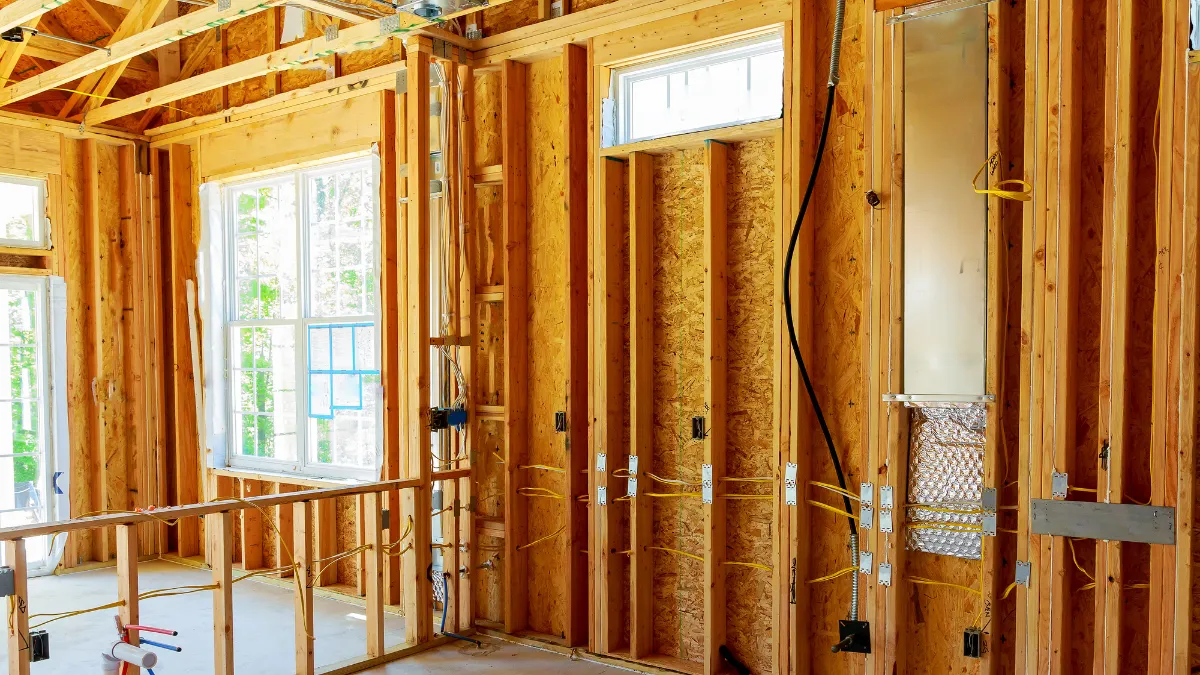
Smart Home Wiring for New Construction: What El Segundo Homeowners Should Plan Before Building
Building a new luxury home in El Segundo gives homeowners a rare opportunity to design the technology infrastructure into the property from the beginning. Instead of trying to retrofit smart home technology after the walls are finished, homeowners can plan for automation, networking, entertainment, security, lighting, and other systems while the home is still being designed.
This process is commonly known as smart home prewiring, and it can have a significant impact on how well a home's technology performs for years to come.
A well-designed wiring infrastructure provides the foundation for a connected home. It can also make future upgrades easier, reduce visible equipment, and allow technology to integrate naturally with the architecture and interior design.
For homeowners planning new construction in El Segundo, Los Angeles, or Palm Desert, working with a professional technology integrator early in the construction process can help ensure the home is prepared for both today's technology and tomorrow's.
Why Smart Home Wiring Should Be Planned Early
Many homeowners don't think about technology infrastructure until construction is already underway.
By that point, however, important decisions may already have been made about walls, ceilings, cabinetry, electrical locations, equipment rooms, and architectural details.
Smart home technology often requires infrastructure behind those finished surfaces.
Prewiring during construction makes it possible to run cables while walls and ceilings are accessible. This is significantly easier than attempting to add wiring after drywall, insulation, millwork, and other finishes have been installed.
Early planning can also help prevent compromises such as:
Visible cables
Poor equipment placement
Limited WiFi coverage
Difficult speaker placement
Inaccessible equipment
Insufficient network connections
Limited automation capabilities
The goal isn't simply to install as much wiring as possible. It's to create an infrastructure that supports the way the homeowner intends to use the property.
What Should a New Luxury Home Be Prewired For?
A comprehensive smart home wiring plan can support many different systems.
Depending on the property and homeowner's goals, prewiring may include:
Home automation
Enterprise-grade networking
Distributed audio/video
Home theater
Lighting control
Motorized shades
Security cameras
Access control
Doorbells and intercoms
HVAC integration
Outdoor entertainment
Televisions and displays
Dedicated equipment rooms
Each system has different requirements, which is why technology planning should happen alongside architectural, electrical, and interior design decisions.
Structured Wiring Creates the Foundation
Structured wiring is one of the most important elements of a modern smart home.
Rather than treating each connected device as an independent installation, structured wiring creates an organized infrastructure that can support networking, entertainment, automation, and other technologies.
A professional installation may include dedicated cabling for network access points, televisions, security devices, access control, audio systems, and other equipment.
The exact infrastructure depends on the home, but planning these connections during construction provides significantly more flexibility than trying to retrofit them later.
Plan Your Network Before You Plan Your Smart Devices
A smart home is only as reliable as the network supporting it.
Luxury homes can contain dozens or even hundreds of connected devices. Phones, computers, televisions, streaming devices, cameras, lighting controls, thermostats, access control systems, appliances, and automation processors may all depend on the network.
That's why networking should be considered part of the home's infrastructure rather than an afterthought.
During new construction, homeowners should consider locations for:
Wireless access points
Network switches
Network racks
Internet service equipment
Security equipment
Automation processors
Media servers
Other network-connected devices
SIGNALS designs enterprise-grade residential networks that provide the reliable connectivity required by modern smart homes.
Home Automation Wiring
Home automation can bring lighting, shades, climate control, entertainment, security, and other systems together under a unified control platform.
But achieving a clean, reliable installation often begins with the wiring behind the walls.
During construction, a professional integrator can determine where key control devices, sensors, touchscreens, keypads, and other components should be located.
This allows technology to become part of the home's architecture rather than something added after the fact.
For example, a homeowner might want a single control scene that:
Lowers the motorized shades
Adjusts the lighting
Sets the thermostat
Turns on the television
Starts the audio system
Planning the infrastructure early makes this type of integrated experience easier to implement.
Prewire for Distributed Audio
Whole-home audio is another system that benefits tremendously from construction-stage planning.
Speakers can be integrated into ceilings, walls, outdoor areas, kitchens, living spaces, bedrooms, and other parts of the property.
Prewiring allows speaker cables to be concealed before the finished surfaces are installed.
This is particularly valuable in luxury interiors where homeowners want high-quality sound without visible equipment dominating the room.
A distributed audio system can allow different rooms to play different content while remaining accessible through a centralized control system.
Don't Forget Outdoor Entertainment
Technology planning shouldn't stop at the exterior walls.
Luxury homes increasingly incorporate outdoor living spaces designed for dining, entertaining, relaxing, and watching sports or movies.
Outdoor areas may benefit from:
Weather-resistant speakers
Outdoor televisions
Poolside audio
Landscape audio
WiFi coverage
Outdoor lighting control
Security cameras
Automated shades
Prewiring these areas during construction can make it much easier to create a seamless indoor-outdoor entertainment environment.
Home Theater Prewiring
If a dedicated theater or media room is part of the home's plans, technology infrastructure should be considered before construction begins.
A theater may require wiring for:
Projectors
Displays
Surround speakers
Dolby Atmos speakers
Subwoofers
AV equipment
Control systems
Networking
Lighting
Motorized shades
Speaker locations should be determined based on the room's dimensions and seating arrangement rather than simply where it is convenient to run a cable.
The same applies to projector locations, displays, equipment racks, and other components.
Planning these details before construction can result in a cleaner and more immersive theater.
Lighting Control and Lutron
Smart lighting is another major component of luxury home automation.
Instead of controlling every fixture independently, homeowners can create lighting scenes that correspond to different activities and times of day.
For example:
Good Morning: Gradually increase selected lighting levels.
Entertain: Adjust lighting throughout the primary living spaces for guests.
Movie: Dim the theater and transition the room into viewing mode.
Goodnight: Turn off selected lights throughout the home while leaving necessary exterior or pathway lighting active.
SIGNALS proudly partners with Lutron, a leader in lighting control and automated shading solutions. Incorporating Lutron technology into a new construction project can provide homeowners with sophisticated lighting and shading control while keeping the visible hardware clean and understated.
Motorized Shades Should Be Planned Early
Motorized shades are another feature that can benefit from construction-stage planning.
Power and control requirements can be incorporated into the design before walls and ceilings are finished.
This is especially useful for large windows, expansive glass walls, bedrooms, theaters, and other areas where traditional window treatments may be difficult to operate manually.
Automated shades can also work together with lighting and home automation scenes.
For example, a "Movie" scene could lower the shades, dim the lights, and activate the theater system simultaneously.
Security Camera and Access Control Wiring
Security should also be considered during the prewire stage.
Cameras are most effective when they are positioned to provide useful coverage rather than simply installed wherever wiring happens to be available.
A new construction project provides an opportunity to plan camera locations around:
Driveways
Entry doors
Side yards
Pool areas
Outdoor living spaces
Gates
Garages
Other important access points
Access control systems can also be incorporated into the home's design, including smart locks, controlled gates, video doorbells, and other entry technologies.
Planning these systems early helps minimize visible wiring and makes it easier to integrate security into the home's overall automation platform.
HVAC Integration and Smart Climate Control
A luxury home can have sophisticated heating and cooling requirements, particularly when it includes large glass areas, multiple living zones, or extensive entertainment spaces.
Smart HVAC integration can connect climate control with the home's broader automation system.
For example, homeowners may be able to control temperature settings from centralized interfaces or incorporate climate adjustments into automated scenes.
Technology planning should account for the location and integration requirements of thermostats, sensors, control equipment, and HVAC systems before construction is complete.
Create a Dedicated Equipment Location
Another important consideration is where the home's technology will live.
Rather than placing networking equipment, amplifiers, automation processors, and other components throughout the house, a professionally designed system can consolidate appropriate equipment into a dedicated rack or equipment room.
This provides several advantages:
Cleaner living spaces
Easier maintenance
Better organization
Improved equipment access
Centralized networking
Easier future upgrades
The equipment location should be considered early because it may require dedicated power, ventilation, network infrastructure, and sufficient physical space.
Think About Future Technology
One of the biggest advantages of prewiring is that you're not limited to today's technology.
Technology changes quickly. A home being built today may have different requirements five or ten years from now.
A thoughtful infrastructure plan can provide additional flexibility by accounting for potential future systems and leaving appropriate pathways for upgrades.
This doesn't mean homeowners need to predict exactly which devices they'll purchase years from now.
Instead, the goal is to create an infrastructure that makes future changes easier.
Work With Your Integrator Before Construction Begins
The best time to involve a smart home integrator is before the technology decisions become difficult to change.
SIGNALS can collaborate with homeowners, architects, builders, interior designers, electricians, and other project partners to determine how technology should be incorporated into the home's design.
This coordination can address everything from speaker locations and network access points to equipment racks, lighting control, motorized shades, security, and home automation.
The earlier these decisions are made, the easier it is to create a cohesive result.
Smart Home Wiring in El Segundo
For homeowners building a luxury residence in El Segundo, smart home technology should be considered part of the home's infrastructure from the beginning.
SIGNALS provides residential technology integration throughout El Segundo, Los Angeles, and Palm Desert, helping homeowners create connected environments that combine performance with thoughtful design.
Whether the project involves a dedicated home theater, whole-home automation, enterprise-grade networking, distributed audio/video, Lutron lighting control, motorized shades, security, or a complete smart home system, construction-stage planning can make the finished result cleaner, more reliable, and easier to use.
Final Thoughts
A luxury smart home isn't created simply by installing smart devices after construction is finished. The foundation begins behind the walls.
Proper prewiring and technology planning can make it possible to integrate entertainment, networking, lighting, climate control, security, shading, and automation without compromising the home's architecture or design.
For homeowners planning new construction in El Segundo or throughout Southern California, involving a professional technology integrator early in the process can help ensure the home is prepared for today's technology and whatever comes next.
SIGNALS works with homeowners and building professionals to design and integrate sophisticated residential technology systems that are reliable, intuitive, and built around the way each home is meant to be lived in.