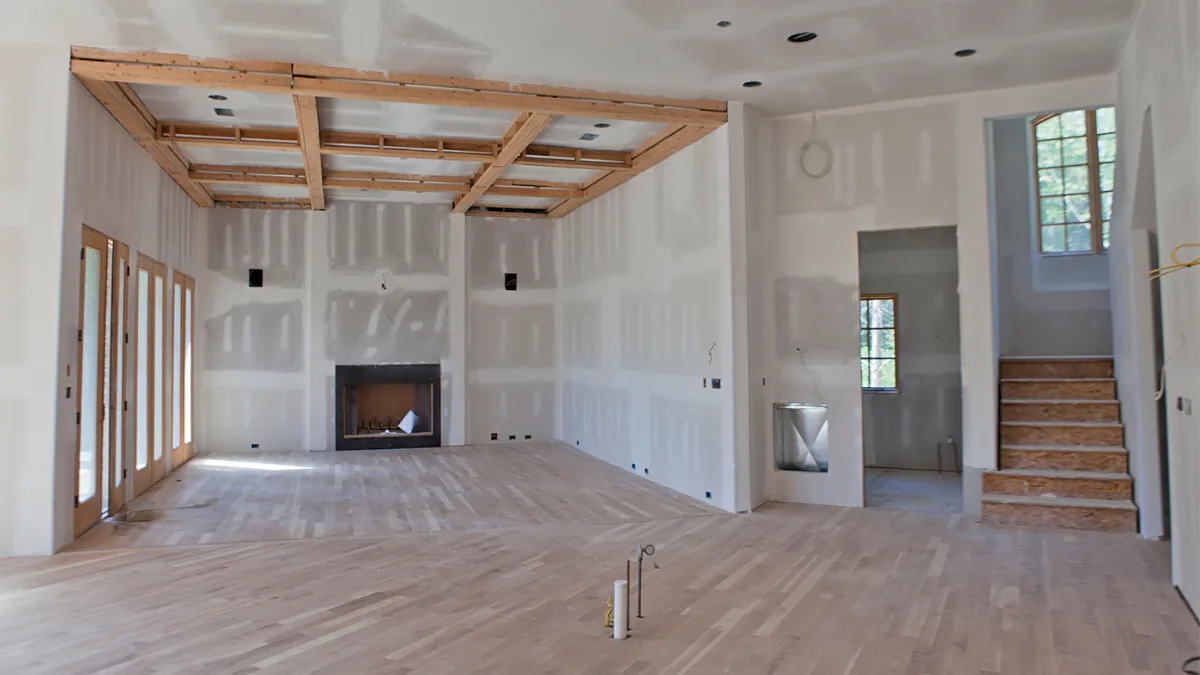
What to Plan Before Building a Smart Home During New Construction
Building a custom home presents a unique opportunity to create a living environment perfectly tailored to your lifestyle. While homeowners often focus on architecture, finishes, and furnishings, one of the most important decisions happens behind the walls: planning the home's technology infrastructure.
The most successful smart homes are not created after construction is complete. They are thoughtfully designed from the beginning.
By incorporating home automation, networking, lighting control, audio/video systems, security, and future technology needs during the planning phase, homeowners can avoid costly retrofits and ensure their home is ready for both today's technology and tomorrow's innovations.
At SIGNALS, we work closely with homeowners, architects, builders, and designers throughout Los Angeles and Palm Desert to integrate technology into luxury homes from the earliest stages of construction.
Start with a Technology Plan
One of the biggest mistakes homeowners make is treating technology as a final step in the construction process.
In reality, smart home technology affects many aspects of the home's design, including:
Electrical systems
Low-voltage wiring
Equipment locations
Lighting design
Networking infrastructure
Security systems
Entertainment systems
Developing a technology plan early allows every system to work together seamlessly while minimizing future limitations.
A well-planned smart home feels intuitive because the infrastructure supporting it was considered from the start.
Prioritize Networking Infrastructure
Every modern smart home relies on a strong network.
Home automation systems, lighting controls, security cameras, audio/video systems, streaming services, and remote access platforms all depend on reliable connectivity.
During new construction, homeowners should plan for:
Structured cabling
Enterprise-grade networking
Whole-home WiFi coverage
Dedicated equipment spaces
Future expansion capabilities
Installing network infrastructure during construction is significantly easier and more cost-effective than attempting upgrades after walls are finished.
A properly designed network becomes the foundation of the entire smart home ecosystem.
Plan for Home Automation Early
Home automation is most effective when integrated into the home's design from the beginning.
Planning early allows homeowners to incorporate:
Lighting control
Motorized shades
Climate control
Security integration
Entertainment control
Voice control
Automated scenes
Rather than adding disconnected smart devices over time, a professionally designed automation platform creates a cohesive system that is easier to use and maintain.
Early planning also allows technology to be integrated discreetly into the architecture.
Think Beyond Today's Technology
Technology evolves rapidly.
A home built today should be capable of supporting future devices and upgrades without requiring major renovations.
Planning for future growth may include:
Additional wiring pathways
Larger equipment racks
Expanded network capacity
Flexible control systems
Infrastructure for future technologies
A future-ready design protects your investment and allows the home to evolve over time.
Consider Lighting Control from the Beginning
Lighting is one of the most impactful smart home technologies available.
Integrated lighting control systems provide:
Convenience
Energy efficiency
Security
Improved ambiance
Enhanced architectural design
Planning for lighting control during construction allows homeowners to simplify switch layouts and create personalized lighting scenes throughout the home.
Lighting systems can also integrate with:
Motorized shades
Home automation systems
Security systems
Entertainment environments
The result is a more comfortable and refined living experience.
Plan Audio & Video Distribution Before Walls Close
Many homeowners want music and entertainment available throughout the home, but few realize how much easier this is to implement during construction.
Planning ahead allows for:
Distributed audio/video systems
Whole-home music
Outdoor entertainment
Hidden speakers
Centralized equipment locations
Future entertainment upgrades
By coordinating these systems early, homeowners can eliminate visible clutter while achieving exceptional performance.
This approach creates cleaner spaces and a more seamless entertainment experience.
Don't Forget Security & Access Control
Security systems have become an essential component of modern smart homes.
New construction provides an ideal opportunity to integrate:
Security cameras
Access control systems
Smart locks
Video doorbells
Motion detection
Remote monitoring
Proper planning allows these systems to be installed discreetly while maximizing coverage and functionality.
Security can also be integrated into the broader home automation platform for greater convenience and control.
Plan for Home Theater & Media Spaces
If a dedicated home theater or media room is part of your vision, planning should begin long before construction is complete.
Early design considerations include:
Room dimensions
Acoustic treatments
Speaker placement
Display technologies
Lighting control
HVAC noise management
Addressing these factors during construction helps create entertainment spaces that deliver exceptional performance while blending naturally into the home's design.
Work with a Technology Integrator Early
One of the most valuable decisions homeowners can make is involving a technology integration partner during the design phase.
Working with a professional integrator early helps:
Coordinate with architects and builders
Identify infrastructure requirements
Avoid costly changes later
Ensure system compatibility
Future-proof the home
Technology should enhance the architecture—not compete with it.
By collaborating from the beginning, every system can be thoughtfully integrated into the home's overall vision.
Why Early Planning Saves Money
Many homeowners assume waiting until later in the project will save money.
In reality, delaying technology decisions often leads to:
Additional labor costs
Construction modifications
Limited installation options
Compromised performance
Planning during new construction allows infrastructure to be installed efficiently before walls are closed and finishes are completed.
The result is a more capable home and a more cost-effective installation.
Final Thoughts
The best smart homes are designed, not assembled.
By planning networking, automation, lighting control, security, entertainment systems, and future technology needs during new construction, homeowners can create a home that is both beautiful and highly functional.
At SIGNALS, we specialize in home automation, networking, lighting control, distributed audio/video systems, home theaters, and smart home integration throughout Los Angeles and Palm Desert.
Whether you're building a custom estate or designing your forever home, our team can help ensure your technology is planned properly from the very beginning.