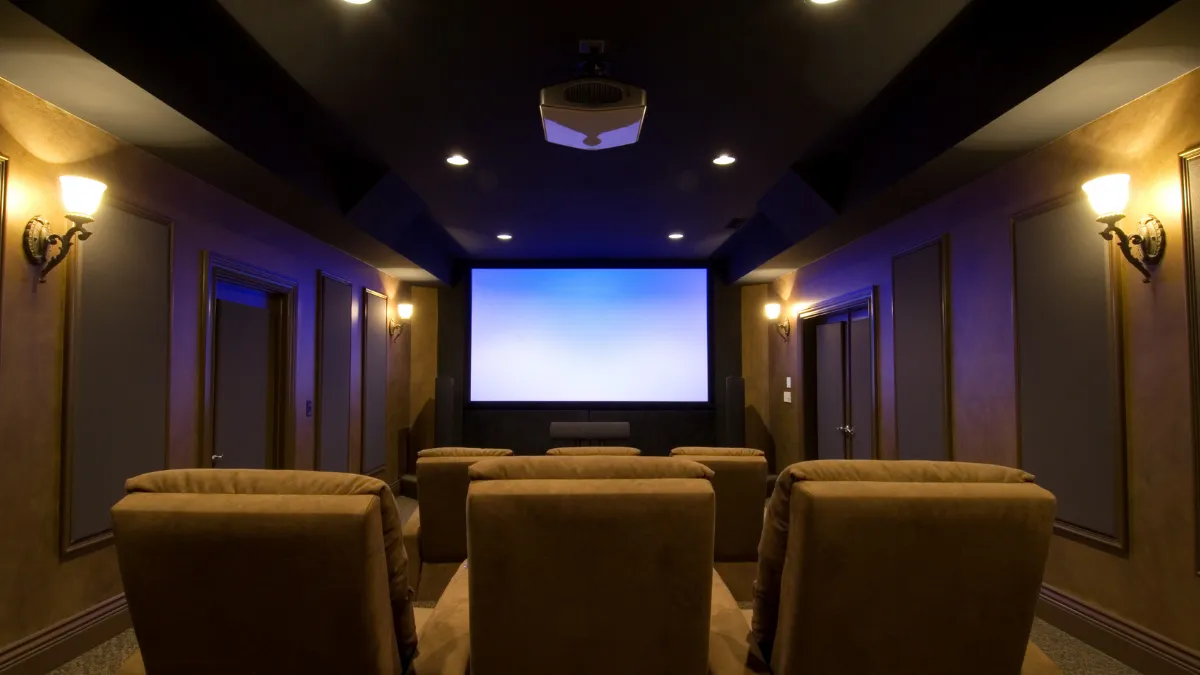
Home Theater vs Media Room: What's the Difference?
For many homeowners, the terms "home theater" and "media room" are used interchangeably. While both spaces are designed for entertainment, they serve very different purposes and deliver distinctly different experiences.
If you're planning a new luxury home, remodeling an existing property, or exploring entertainment upgrades, understanding the differences between a dedicated home theater and a media room can help you make the right investment for your lifestyle.
At SIGNALS, we design and integrate custom home theaters, media rooms, distributed audio/video systems, and smart home technology throughout Los Angeles and Palm Desert. One of the most common questions we receive is: "Should I build a home theater or a media room?"
The answer depends on how you plan to use the space.
What Is a Home Theater?
A dedicated home theater is designed specifically to recreate the cinematic experience of a commercial movie theater within the home.
Every element is optimized for entertainment, including:
Screen size and placement
Surround sound performance
Room acoustics
Lighting control
Seating arrangement
Sound isolation
Dedicated theaters are typically enclosed rooms designed to minimize distractions and maximize immersion.
Many luxury home theaters feature:
Projection systems
Dolby Atmos audio
Acoustic wall treatments
Tiered seating
Custom lighting scenes
Professional calibration
The goal is simple: deliver the best possible movie-watching experience.
What Is a Media Room?
A media room is a more flexible entertainment space designed for everyday use.
Unlike dedicated theaters, media rooms often serve multiple purposes, including:
Watching television
Streaming content
Gaming
Family gatherings
Sports viewing
Casual entertainment
Media rooms are frequently integrated into the main living areas of a home and may feature:
Large flat-panel displays
Comfortable lounge seating
Distributed audio systems
Smart lighting control
Hidden technology integration
These spaces prioritize versatility while still delivering exceptional performance.
The Biggest Difference: Immersion vs Flexibility
The most significant difference between a home theater and a media room comes down to how the space is used.
Home Theater
Designed for:
Movies
Cinema-quality experiences
Maximum audio performance
Controlled lighting conditions
Prioritizes:
Immersion
Acoustics
Performance
Media Room
Designed for:
Everyday entertainment
Multiple activities
Social gatherings
Flexible use
Prioritizes:
Convenience
Comfort
Versatility
Neither option is inherently better. The right solution depends on your goals and lifestyle.
Audio Performance
Audio is often where the biggest differences emerge.
Dedicated home theaters are typically engineered around immersive surround sound formats such as:
Dolby Atmos
DTS
THX-certified systems
Speaker placement, room dimensions, and acoustic treatments are carefully planned to create a truly cinematic environment.
Media rooms often incorporate excellent audio systems as well, but flexibility usually takes priority over absolute acoustic perfection.
Many homeowners choose:
Architectural speakers
Hidden subwoofers
Distributed audio systems
Multi-purpose AV systems
that blend seamlessly into the room's design.
Visual Experience
Home theaters typically feature larger displays designed specifically for movie viewing.
These may include:
High-performance projection systems
Acoustically transparent screens
Large-format displays
DCI-inspired cinema technologies
Dedicated theater environments also allow for complete lighting control, improving contrast and image quality.
Media rooms often utilize:
Premium OLED televisions
MicroLED displays
Large flat-panel screens
that perform well in brighter, more active spaces.
Design & Architecture Considerations
One of the advantages of a media room is its ability to blend naturally into the overall architecture of the home.
Technology can be concealed through:
Hidden speakers
Flush-mounted displays
Equipment racks located elsewhere
Smart lighting systems
Home theaters, by contrast, often embrace a more purpose-built design focused on performance.
Both approaches can be beautifully integrated when planned properly.
Smart Home Integration
Whether you choose a dedicated theater or a media room, smart home integration dramatically enhances the experience.
At SIGNALS, we frequently integrate:
Lighting control
Motorized shades
Climate control
Distributed audio/video
Voice control
Mobile app control
into entertainment spaces.
With a single touch, homeowners can lower shades, dim lights, start a movie, and adjust audio settings automatically.
Which Option Is Right for You?
A dedicated home theater may be the right choice if you:
Love movies
Want the ultimate cinematic experience
Have space for a dedicated room
Value audio and video performance above all else
A media room may be ideal if you:
Entertain frequently
Watch sports and television regularly
Need a multi-purpose space
Want greater flexibility
Many luxury homeowners ultimately incorporate both—a dedicated theater for immersive viewing and a media room for everyday entertainment.
Why Professional Design Matters
Whether you're building a home theater or a media room, proper planning is critical.
Successful entertainment spaces require expertise in:
Audio/video system design
Acoustics
Networking
Lighting control
Home automation
Architectural integration
At SIGNALS, we collaborate with homeowners, architects, builders, and designers to create entertainment environments that balance performance, aesthetics, and ease of use.
Final Thoughts
The choice between a home theater and a media room ultimately comes down to how you live.
If your goal is a cinematic experience that rivals commercial theaters, a dedicated home theater is difficult to beat.
If you prefer a versatile space that accommodates family life, entertaining, gaming, and everyday viewing, a media room may be the perfect solution.
At SIGNALS, we design and integrate luxury home theaters, media rooms, distributed audio/video systems, networking, lighting control, and smart home automation throughout Los Angeles and Palm Desert.
Our team can help you determine the ideal entertainment solution for your home, lifestyle, and vision.